

iPhone 17 — A Deep Explanation For Why All Taking It?

It landed as a clear evolution rather than a revolution — but what a thoughtful evolution it is. Whether you’re upgrading from an iPhone 12 or deciding between the base it and a Pro model, this post breaks down what matters: design and display, cameras, performance and battery, software and features, the real-world experience, pros/cons, and who should buy it.
Quick summary (if you want the TL;DR)
- Released in September 2025 with availability from September 19; base storage now starts at 256 GB.
- 6.3-inch Super Retina XDR display with ProMotion (up to 120Hz) and Ceramic Shield 2 — brighter and more durable.
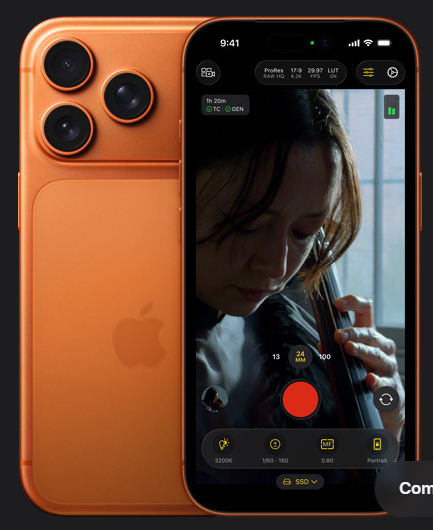
- A19 chip powers the phone — faster on-device processing and a beefed-up Neural Engine for AI tasks. 48 MP Dual Fusion rear camera system and a new Center Stage 18 MP front camera; Dual Capture video features.
- Noticeable battery and thermal improvements (vapor chamber on Pro models; longer real-world battery life across the line).
The design and display: familiar, but refined
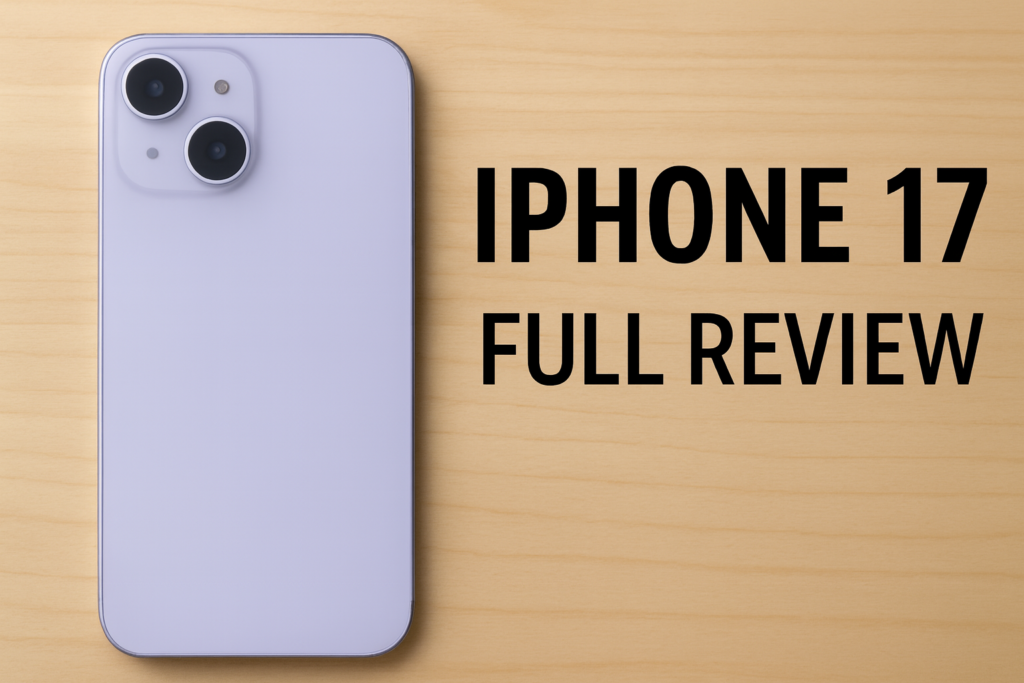
Apple didn’t reinvent the wheel with the iPhone 17’s exterior — but it polished it. The standard it uses an aluminum unibody design available in five colors (Lavender, Sage, Mist Blue, White, Black) and swaps in Ceramic Shield 2 for improved scratch resistance. The body stays slim and pocketable while nudging the screen size to a comfortable 6.3 inches (Super Retina XDR) with ProMotion up to 120Hz, which keeps UI animations buttery and scrolling smooth.
Why that matters: you get a display that’s responsibly bright (great outdoors), responsive (120Hz), and durable enough to shrug off the small accidents we all have. For most people, the balance between size and usability here is right — not too big, not cramped.
Cameras: computational photography turned up
This is where Apple flexes engineering muscle without being showy. It’s main story is a 48 MP Dual Fusion camera system that leverages sensor-shift stabilization and advanced image processing to produce very clean high-resolution photos and video. The phone supports super-high-resolution captures (24MP and full 48MP modes) and improved optical-quality zoom behavior from the dual-camera setup.
On the front is Apple’s new Center Stage front camera (now an 18 MP sensor), designed for group framing, smarter subject tracking, and higher-quality selfies and video calls. Apple also highlights Dual Capture video — essentially allowing simultaneous use of front and rear cameras for more creative content — which content creators and vloggers will love.
Real-world verdict: low-light shots are markedly better than the previous base model generations, dynamic range feels controlled, and the 48MP output gives you room to crop without losing detail. The camera upgrades are not always “wow” in every scene compared to Pro models, but they level up the base iPhone into genuinely versatile territory.
Performance and AI: A19 chip and smarter on-device computing
Under the hood sits Apple’s A19 chip, built for speed and efficiency. Apple emphasizes improved neural processing and machine learning performance — the kind of upgrades that silently improve everything from photography to background tasks and on-device intelligence. Benchmarks and early hands-on pieces describe a smoother multitasking experience and improved performance for games and heavy apps.
Why that matters: Apple’s chips usually stay fast for many years. The A19’s stronger Neural Engine also means features that use AI (like smarter photo edits, voice processing, and local generative tasks) will feel snappier and more private because they can run on the device.
Battery life and thermal design: everyday endurance
Apple pushed longer battery life across the 17 family, and even the base it’s report notable gains in video playback endurance compared to older non-Pro models. The Pro models go further with a new internal thermal architecture — vapor chambers and laser-welded components — to let the A19 Pro run harder without overheating. Even the standard 17 benefits from efficiency gains in the chip and the software.
Practical takeaway: you can expect a full day of heavy use comfortably, and lighter users often get closer to “all day plus” territory. Fast charging still brings the familiar convenience — Apple advertising up to ~50% in about 20 minutes when using a suitable adapter — so a quick top-up gets you back in action fast.
Software and ecosystem: iOS 26 polish (and the benefits of Apple continuity)
It’s ships with the latest iOS version (iOS 26 at launch) which continues Apple’s focus on privacy-forward features, smoother continuity with Macs and iPads, and more built-in intelligence that leverages the Neural Engine. Expect updates to FaceTime, Messages, and system AI features that improve photo editing, smarter notifications, and system-wide optimizations. The advantage of the Apple ecosystem remains the same: tight integration across hardware and services.
Real-world use: what it’s like day to day
- Build and feel: premium, light, and solid. Not fragile, but treat it with respect.
- Display: movies, photos, and browsing look excellent; 120Hz smoothness is a tangible quality-of-life upgrade.
- Camera: reliable for most shooting situations — social photos, short videos, travel shots — and excellent for content creators doing quick edits on-device.
- Battery: dependable; occasional heavy gaming or long video capture will still need a midday charge for power users.
- Performance: zippy UI, fast app launches, and solid multitasking even months down the road.
How it compares to iPhone 17 Pro / Pro Max (and to older iPhones) Tech Arabinda
If you ask “should I buy it or step up to a Pro?” the answer depends on a few things:
- You want the absolute best camera and longest battery → Pro or Pro Max. They have bigger sensors, longer optical zoom ranges, and advanced thermal solutions.
- You want great performance but don’t need pro-level camera hardware → iPhone 17 hits a sweet spot. You get many of the same computational and AI advances at a lower price point.
- Upgrading from iPhone 12–14 → You’ll notice meaningful improvements in camera, display smoothness, and battery. Worth considering.
- Upgrading from iPhone 15 Pro / 16 Pro → Less dramatic unless you care about the newest Pro camera or slightly better battery and thermal headroom.
Price, availability, and regional notes
Apple launched it in September 2025, with pre-orders and availability staggered by market (general availability began September 19). Apple raised the baseline storage (starting at 256 GB), which makes the entry model more future-proof for those who keep devices for several years. Specific pricing and market availability vary by country and retailer, and local taxes or distribution choices (and sometimes grey-market policies) can affect street pricing and warranty experiences.
Pros and cons — quick list
Pros
- Big jump in base storage (256 GB) — better long-term value.
- Excellent display with ProMotion and better durability.
- Very capable 48MP camera system and improved front camera for creators.
- A19 chip: strong performance and on-device AI improvements.
Cons
- Incremental design changes — if you already have a recent model, upgrades may feel evolutionary.
- Pro-level photography and battery remain behind the Pro/Pro Max tiers.
- Regional pricing and limited stock at launch can make getting a good deal harder in some markets.
Who should buy the It?
- Everyday users who want a future-proof phone with plenty of storage and excellent cameras without paying Pro prices.
- Content creators on a budget who want strong video and Dual Capture features for social content.
- Upgraders from older iPhones (12/13/14) who will notice meaningful improvements in performance, camera, and battery.
- Anyone embedded in Apple’s ecosystem — It is a safe, well-rounded choice that plays nicely with Macs, iPads, and Apple services. Tech Arabinda
Skip it (or consider Pro) if:
- You need the absolute best zoom and battery life (look at Pro/Pro Max).
- You already have an iPhone 16 Pro and don’t use your phone’s camera or performance to the limit.
Final thoughts — is it worth it?
iPhone 17 is a thoughtful, mature upgrade. Apple focused on real-world improvements (storage, camera clarity, display durability, on-device intelligence) rather than flashy new gimmicks — and that makes it compelling. For most buyers, it hits the sweet spot between performance, camera capability, and price. If you’re invested in the Apple ecosystem and want a phone that stays useful and fast for years, it is an excellent choice.