

The Next Evolution of a Mid-Size SUV: What the 2026 MG Hector Plus Facelift Means for Indian Buyers

The Indian SUV market is evolving faster than ever, and manufacturers are responding with refreshed models packed with technology, design upgrades, and smarter engineering. One of the most anticipated updates this season is the latest iteration of a well-loved mid-size family SUV from a British-heritage brand now assembled in India. The 2026 version of this model including the larger three-row version often preferred by families is grabbing attention even before its official debut. In this in-depth article, we explore what we know so far: design changes, interior upgrades, technology enhancements, powertrain expectations, safety features, and how this revamped SUV stacks up against competitors in the crowded Indian landscape.
A Fresh Look with a Distinctive Face
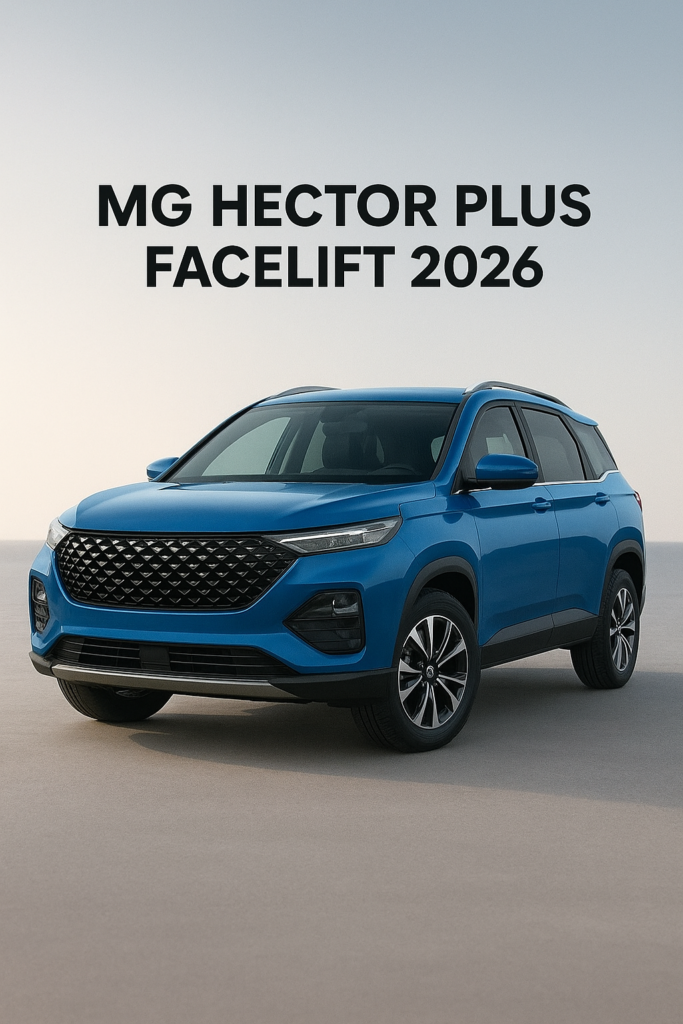
While the overall silhouette of this SUV remains familiar, the most noticeable updates are happening up front. Recent teasers and spy images reveal a redesigned front grille that feels bolder and more premium than before. The refreshed grille uses a different pattern and chrome accents to give the car a more assertive presence on the road. Around it, new front and rear bumpers lend a slightly more sculpted look compared to the outgoing model. These exterior changes aim to refresh the SUV’s identity without altering its overall proportions, ensuring it still appeals to buyers who liked the original while also attracting those who want something more contemporary.
Smaller visual tweaks are also expected, including redesigned alloy wheel options up to 19-inch units and possibly new exterior colors to broaden personalisation choices. The headlight and taillight units remain in their familiar place but may receive subtle cosmetic touches to enhance visual appeal.
Interior Changes: Familiar Yet Refined
Step inside, and the cabin of this updated SUV should feel familiar yet improved. The vertical multimedia touchscreen continues to be a central design feature, but advancements in responsiveness, processing power, and software will make the interface feel smoother and more modern. There are strong indications that the system could now include up to 10 GB of RAM — a significant boost for navigation, connectivity, and overall responsiveness.
In terms of materials and comfort, expect updated upholstery combinations and refreshed color schemes that give a slightly more upscale feel. Ventilated seating also potentially available for rear passengers will elevate overall comfort, particularly for longer journeys in India’s diverse climates.
One major interior highlight remains the panoramic sunroof an aspirational feature in this SUV class alongside ambient lighting that helps create a pleasant cabin environment after sunset. Other practical aspects include wireless smartphone connectivity, wireless charging, and intuitive controls that enhance daily usability.
Tech and Connectivity: Smarter. Faster. More Intuitive.
Tech advancements form one of the cornerstones of this facelift. Beyond a larger or more fluid touchscreen display, software and smart features will be upgraded to meet current expectations for connected vehicles. Expect enhanced smartphone integration via Apple CarPlay and Android Auto, with wireless capability that removes the need for cables during daily use.
Connected-car features such as remote access, real-time diagnostics, voice commands, geofencing, and more may also be upgraded under the brand’s connectivity suite, providing a better overall digital experience. This aligns with the market trend where vehicles become extensions of our digital lifestyle rather than just modes of transport.
Advanced driver assistance systems (ADAS) are likely to be part of this package as well. While details are still emerging, features such as adaptive cruise control, lane-keep assist, and autonomous emergency braking are increasingly expected even in non-luxury SUVs as buyers grow more safety- and tech-conscious.
Performance and Powertrain: Continuity With Improvements
Under the hood, this update isn’t expected to bring radical mechanical changes. The existing engine options are likely to continue, keeping things familiar for buyers who already appreciate the SUV’s performance. One of the core powertrains is a 1.5-litre turbocharged petrol engine, known for its balanced blend of power and fuel efficiency. In the petrol range, a smooth-shifting CVT automatic option typically coexists with a manual gearbox, offering buyers flexibility.
Complementing this is a 2.0-litre diesel engine that delivers strong torque, making it suitable for heavier loads and highway cruising especially relevant for the three-row variant which weighs more. These engines have served the model well and are expected to remain unchanged, though software tweaks for efficiency and emissions compliance are possible given evolving regulatory norms.
For many buyers who value a familiar drivetrain over unproven alternatives, continuity here is welcome even as the rest of the vehicle gets a meaningful refresh.
Safety Features: Modern Enhancements for Everyday Confidence
Safety is a key consideration for families, and this facelifted SUV looks set to deliver stronger protection packages compared to older versions. Standard safety features such as multiple airbags, ABS with EBD, hill start assist, and a tyre pressure monitoring system are likely included as before. Recent reports also suggest improved cameras and sensor systems to support parking and low-speed manoeuvres.
The potential inclusion of advanced driver assistance functions depending on variant will raise the safety bar even higher, particularly for highway driving and urban traffic. These may include features such as lane assistance, automatic braking support, and adaptive cruise control, which are gradually becoming mainstream even in mid-range SUVs.
What It Means for the Three-Row Version
The larger variant often chosen by Indian families seeking extra seating stands to benefit significantly from this facelift. Given that much of the update revolves around design, tech, comfort, and practicality, the three-row version becomes an even stronger contender in its segment. Improvements such as ventilated seats, enhanced infotainment, and new design elements make it feel more modern and sophisticated, even if the core structure remains unchanged.
Many families look for SUVs that blend space with refinement, and this update seems geared precisely toward that demand.
Launch, Pricing, and Market Positioning
The updated version of this SUV is officially set to debut in mid-December, with its formal unveiling scheduled around 15 December 2025. The refreshed design and feature set are expected to herald an early-2026 launch in showrooms across India.
Pricing details are yet to be officially confirmed but are expected to be positioned slightly above the outgoing model, reflecting the added features and technology. Given the current range which in similar models spans from mid-teens to low-twenties lakh rupees on the road the facelifted version will likely align with customer expectations in that bracket while offering improved value.

Competitive Landscape: How the Update Stacks Up
In India’s fiercely competitive SUV segment, this refreshed model faces several strong rivals:
· Mid-size SUVs with premium aspirations, such as models from Korean and Japanese brands, which emphasize technology and comfort.
· Three-row family SUVs from domestic and international makers that prioritize space and practicality.
· Upcoming facelifts and new entries from competitors in the same price range.
Each rival brings its strengths, but the combination of established presence, refreshed design, improved tech, and broad service network can make this SUV a compelling choiceparticularly for buyers seeking a balanced combination of style, space, and smart features.
Final Thoughts: A Meaningful Refresh
Facelifts often walk a fine line between subtle refinement and major change. In this case, the updated SUV delivers a thoughtful mix of both. It doesn’t reinvent the wheel, but it certainly modernizes it. The emphasis on upgraded visuals, stronger tech and connectivity, improved comfort features, and safety enhancements reflects what contemporary buyers demand.
For families and tech-savvy individuals alike, this update represents a significant step forward strengthening an already popular model’s relevance in a rapidly maturing market. Whether you’re considering a first SUV purchase or looking to upgrade from an older model, this refreshed offering deserves careful consideration.