

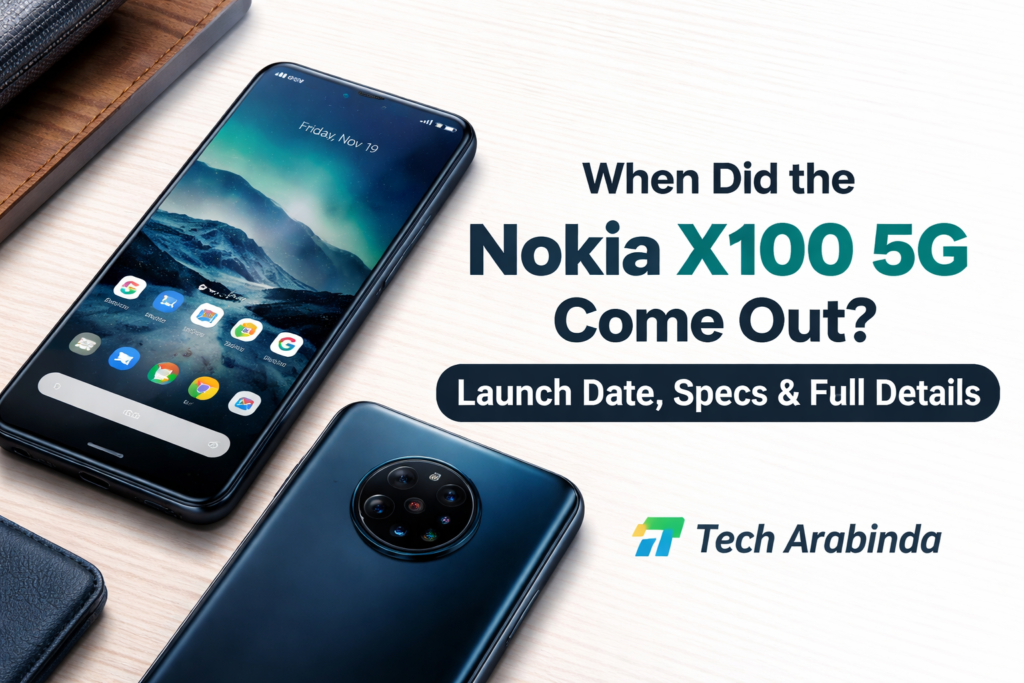

In the fast-moving world of smartphones, release dates matter almost as much as features. They help users understand how relevant a device is in today’s market and whether it still makes sense to buy. One such device that created quiet curiosity among Nokia fans was the Nokia X100 5G. While it didn’t make global headlines like flagship phones, it played an important role in Nokia’s 5G strategy.
when the Nokia X100 5G was released, the background behind its launch, its specifications, regional availability, and how it fits into Nokia’s broader smartphone journey.
A Brief Look at Nokia’s Smartphone Revival
Before discussing the Nokia X100 5G specifically, it’s important to understand Nokia’s position in the modern smartphone era.
After selling its mobile division to Microsoft in 2014, Nokia temporarily disappeared from the consumer smartphone space. The brand made a comeback in 2016 through HMD Global, a Finland-based company that licenses the Nokia name. Since then, Nokia phones have focused on:
- Clean Android experience
- Reliable build quality
- Regular security updates
- Competitive pricing
Rather than chasing high-end dominance, Nokia aimed to rebuild trust, especially in mid-range and budget segments.
Official Launch Date of Nokia X100 5G
The Nokia X100 5G was officially announced and released in November 2021.
More specifically:
- Announcement: Early November 2021
- Initial availability: Mid to late November 2021
The phone was introduced quietly without a large global launch event, which is one reason many users still search for its release details today.
Region-Specific Release Strategy
One unique aspect of the Nokia X100 5G launch was its limited regional availability.
United States Exclusive Release
The device was launched exclusively in the United States, primarily through:
This meant the phone was not officially sold in:
- India
- Europe
- Most Asian markets
Because of this restricted release, many global Nokia fans only learned about the device through online listings and tech forums.
Why Nokia Launched X100 5G in 2021
The year 2021 was critical for smartphone manufacturers because:
- 5G networks were expanding rapidly
- Affordable 5G phones were in high demand
- Consumers wanted future-ready devices without flagship prices
Nokia positioned the X100 5G to meet these exact needs—especially for U.S. carriers looking to offer reliable mid-range options.
Design Philosophy and Build Quality
The Nokia X100 5G followed the brand’s signature design language:
- Solid polycarbonate body
- Minimal branding
- Clean camera module
Though it didn’t use glass or metal, the phone felt sturdy and practical—true to Nokia’s reputation for durability.
Display Experience
The device featured a 6.67-inch Full HD+ display, offering:
- Sharp resolution
- Good brightness levels
- Comfortable viewing for media and browsing
While it didn’t include AMOLED technology, the LCD panel was well-calibrated for everyday use.
Performance and Hardware Overview
At the heart of the Nokia X100 5G was the Qualcomm Snapdragon 480 chipset.
Why This Processor Mattered
- Designed specifically for affordable 5G phones
- Balanced power efficiency and performance
- Suitable for daily tasks and light gaming
Combined with 6GB RAM and 128GB storage, the phone delivered stable performance for most users.
Software and Android Experience
One of Nokia’s biggest strengths has always been its software approach.
The Nokia X100 5G launched with:
- Android 11
- Near-stock Android interface
- No unnecessary bloatware
This clean software environment ensured smooth operation and better long-term usability.
Camera Capabilities
The phone came with a quad-camera setup, led by a 48MP primary sensor.
Camera Highlights
- Decent daylight photography
- Useful ultra-wide and depth sensors
- Acceptable low-light results for its class
While it wasn’t built for professional photography, it performed well for social media and casual use.
Battery Life and Charging
Battery performance was one of the strong points of the Nokia X100 5G.
- 5000mAh battery
- Easily lasted a full day or more
- Supported fast charging via USB-C
This made it a dependable choice for users who prioritize endurance over flashy features.
5G Connectivity and Network Support
Since the phone was launched in the U.S., it was optimized for American 5G bands.
This ensured:
- Strong compatibility with T-Mobile’s network
- Reliable call quality
- Smooth data speeds where 5G was available
Pricing at Launch
At the time of released in November 2021, the Nokia X100 5G was priced around:
- $250–$300 USD (carrier-dependent)
This placed it firmly in the mid-range category, competing with devices from Samsung, Motorola, and OnePlus.
Market Reception and User Feedback
The phone received mixed but generally positive feedback.
What Users Liked
- Clean Android experience
- Long battery life
- Reliable performance
Common Criticisms
- Limited availability
- Average camera performance
- No AMOLED display
Despite these drawbacks, many users appreciated its simplicity and stability.
Why the Nokia X100 5G Didn’t Go Global
Many fans still wonder why Nokia didn’t launch this model worldwide.
Possible reasons include:
- Carrier-specific agreements
- Testing market response in the U.S.
- Overlapping models in other regions
Nokia often releases similar devices under different names depending on the market.

Is the Nokia X100 5G Still Relevant Today?
Although released in 2021, the device remains usable in 2025 for:
- Basic smartphone needs
- Clean Android fans
- Users who value battery life
However, newer models now offer better displays, faster processors, and improved cameras at similar prices.
Final Thoughts
So, when did the Nokia X100 5G came out? The answer is November 2021, with a U.S.-focused launch aimed at delivered affordable 5G connectivity.
While it may not be Nokia’s most famous device, the X100 5G represents an important chapter in the brand’s modern journey—showing a clear focus on reliability, simplicity, and long-term usability.