

Introduction: A Generation Known for Tech, Choosing Less of It
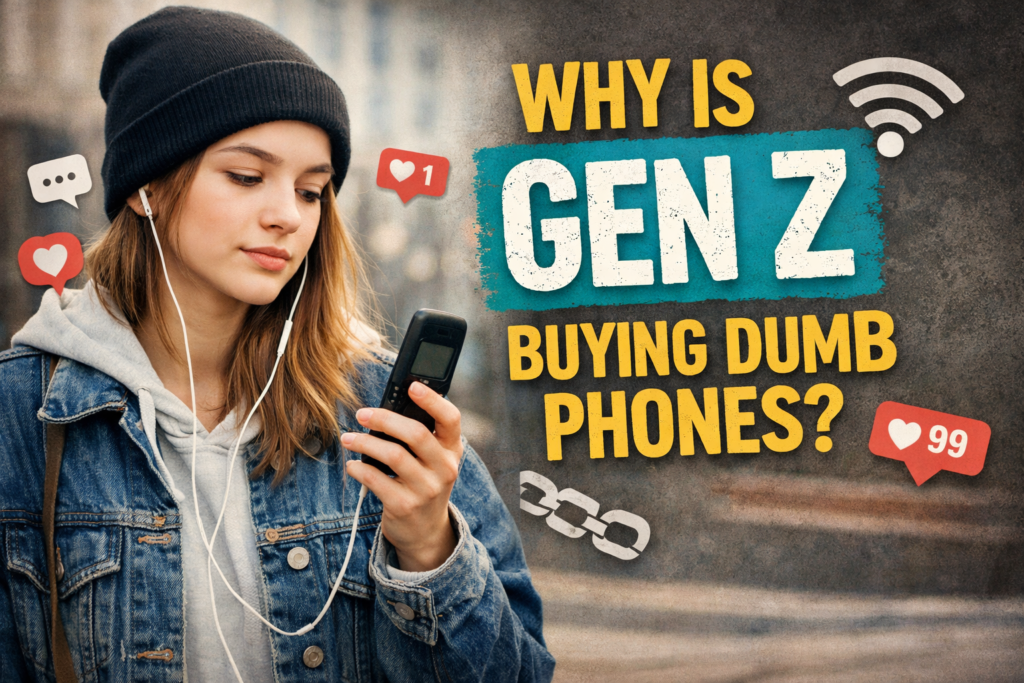
Gen Z has always been associated with smartphones, social media, and constant connectivity. Born into the digital era, this generation grew up swiping screens before learning to write. So, when reports started surfacing that Gen Z users were intentionally switching from smartphones to so-called “dumb phones,” many people were confused.
Why would a generation raised on TikTok, Instagram, andinstant messaging willingly downgrade to devices with no apps, no internet scrolling, and limited functionality?
This trend is not about rejecting technology altogether. Instead, it reflects a deeper shift in mindset—one that values mental clarity, digital balance, and intentional living. Why Gen Z is embracing dumb phones and what this means for the future of technology.
What Exactly Is a Dumb Phone?
Before diving deeper, let’s clarify what a dumb phone is.
A dumb phone, also known as a feature phone, is a mobile device designed primarily for calling and texting. Some models include basic features like an alarm clock, FM radio, or simple games, but they lack advanced apps, social media platforms, and constant internet access.
Popular modern examples include minimalist devices that focus on simplicity while still offering decent battery life and durability.
The Rise of Digital Fatigue Among Gen Z
Always Online, Always Tired
Gen Z is the most connected generation in history—and also one of the most mentally exhausted. Endless notifications, constant comparison on social platforms, and the pressure to stay updated have taken a toll.
Many young users report:
- Feeling overwhelmed by nonstop alerts
- Struggling with short attention spans
- Experiencing anxiety linked to social media usage
Switching to a dumb phone helps remove these triggers. Without apps designed to keep users hooked, the mind gets space to breathe.
Mental Health Awareness Is Driving the Change
Prioritizing Peace Over Popularity
Unlike previous generations, Gen Z openly discusses mental health. Therapy, mindfulness, and emotional well-being are no longer taboo topics.
Smartphones, while useful, often contribute to stress through:
- Social comparison
- Doomscrolling
- Online validation dependency
By using a dumb phone, many Gen Z users regain control over their time and emotional energy. Fewer distractions mean more presence in real life.
Social Media Burnout Is Real
The Pressure to Perform Never Ends
Social platforms reward constant engagement. For Gen Z, this means:
- Posting regularly to stay relevant
- Responding instantly to messages
- Maintaining an online persona
This continuous performance is exhausting.
Dumb phones eliminate the temptation to scroll endlessly or chase likes. Many young people say they feel more authentic and less pressured once they disconnect from social media.
Productivity and Focus Are Making a Comeback
Less Screen Time, More Real Life
Gen Z values efficiency and personal growth. Ironically, smartphones—meant to increase productivity—often do the opposite.
Dumb phone users report:
- Better concentration
- Improved sleep quality
- More time for reading, fitness, and hobbies
Without constant interruptions, daily routines become more intentional and focused.
Nostalgia Plays a Bigger Role Than You Think
Old Tech, New Comfort
For many Gen Z users, dumb phones feel refreshing rather than outdated. There’s a nostalgic charm in pressing physical buttons and hearing classic ringtones.
This trend aligns with Gen Z’s love for retro fashion, vinyl records, and early-2000s aesthetics. Dumb phones fit perfectly into this desire for simpler, slower experiences.
Battery Life and Practicality Matter
A Phone That Lasts Days, Not Hours
One underrated reason for the switch is practicality.
Dumb phones offer:
- Multi-day battery life
- Strong durability
- Minimal maintenance
In a world obsessed with fast charging and power banks, a phone that doesn’t die every night feels revolutionary.
Privacy Concerns Are Growing
Less Tracking, More Control
Gen Z is surprisingly privacy-conscious. Many understand how apps track behavior, collect data, and influence decisions.
Dumb phones:
- Collect minimal user data
- Have fewer security vulnerabilities
- Reduce exposure to targeted advertising
For privacy-aware users, simpler devices feel safer and more transparent.
The Influence of Digital Minimalism
Owning Tech Instead of Being Owned by It
The philosophy of digital minimalism promotes using technology with intention rather than habit. Gen Z has embraced this mindset faster than any other generation.
Using a dumb phone doesn’t mean rejecting innovation—it means choosing tools that serve life goals instead of dominating them.
Financial Reasons Also Play a Role
Cheaper Devices, Lower Expenses
Smartphones are expensive—not just to buy, but to maintain. Data plans, subscriptions, and frequent upgrades add up.
Dumb phones:
- Cost significantly less
- Require minimal data plans
- Reduce impulse spending
For students and young professionals, this financial simplicity is attractive.
Are Dumb Phones Replacing Smartphones Completely?
Not Exactly
Most Gen Z users aren’t abandoning smartphones forever. Instead, many adopt a hybrid approach:
- Dumb phone for daily use
- Smartphone for work or limited tasks
This balanced strategy allows them to stay connected without being consumed by digital noise.
What This Trend Says About the Future of Technology?
Less Flash, More Purpose
The dumb phone trend sends a clear message: users want meaningful technology, not addictive design.
Future tech may focus more on:
Manufacturers and app developers are already taking notice.

Final Thoughts: A Smarter Choice, Not a Step Back
Gen Z buying dumb phones isn’t ironic—it’s intentional.
This generation isn’t rejecting progress; it’s redefining it. By choosing simplicity over constant stimulation, Gen Z is proving that sometimes, less technology leads to a better life.
This movement reflects a deeper truth: the smartest tech choice is the one that improves your well-being, not just your screen time.