
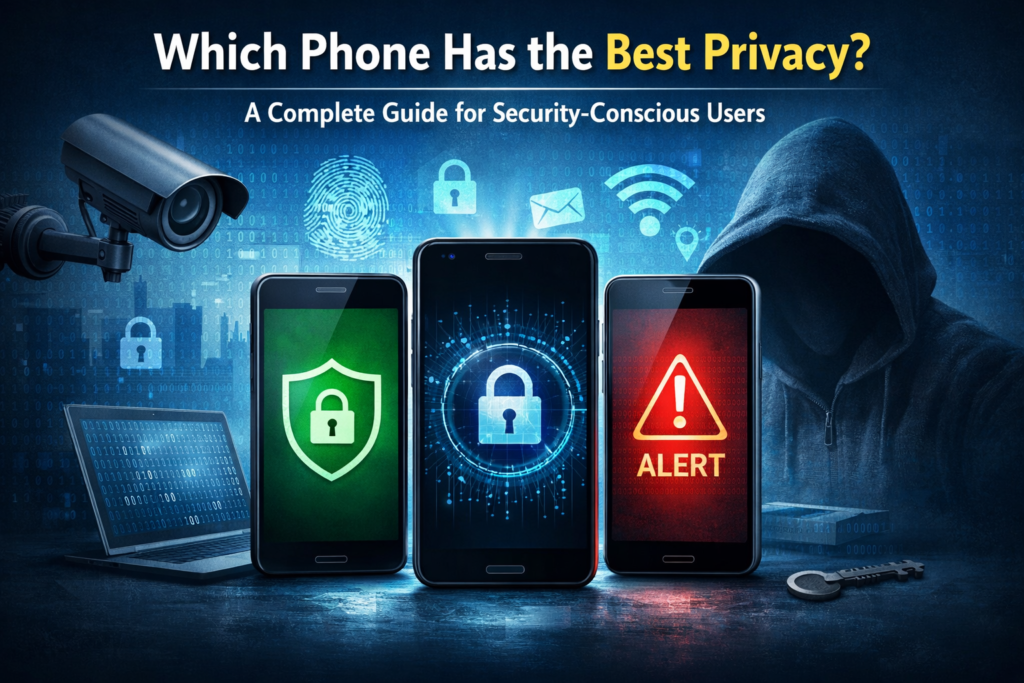

In today’s digital world, smartphones are more than just communication tools. They store personal photos, financial information, work emails, location data, and even health records. As a result, privacy has become one of the most important factors when choosing a phone. Many users now ask a simple but powerful question: which phone offers the strongest privacy protection?
How smartphone privacy works, which brands take user data seriously, and which devices stand out in terms of security and personal data protection.
Why Smartphone Privacy Matters More Than Ever?
Smartphones constantly collect data—sometimes with your permission, sometimes without clear notice. Apps track behavior, advertisers build profiles, and operating systems log usage patterns. If privacy is not handled properly, this information can be misused.
Privacy matters because:
- Personal data can be sold to third parties
- Weak security increases the risk of hacking
- Location tracking can expose daily routines
- Cloud backups may store sensitive information
Choosing a privacy-focused phone helps you regain control over your digital life.
What Makes a Phone Truly Private?
Before comparing devices, it’s important to understand what “privacy” actually means in a smartphone context. A phone with strong privacy protection usually offers:
1. Secure Operating System
Regular updates, encrypted storage, and strong system-level protections are essential.
2. App Permission Control
Users should be able to control camera, microphone, location, and file access in detail.
3. Limited Data Collection
The phone should collect minimal usage data and avoid aggressive tracking.
4. Transparency
Clear privacy policies and user-friendly security dashboards matter a lot.
5. Long-Term Software Support
Security updates over many years reduce the risk of vulnerabilities.
iPhone and Privacy: Apple’s Strong Stand
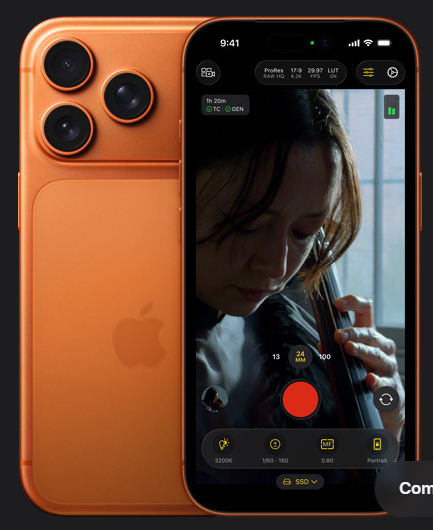
Apple has built its brand image around privacy. iPhones are often considered among the most privacy-friendly smartphones available today.
Why iPhones Are Privacy-Focused
- On-device processing for many features
- App Tracking Transparency limits ad tracking
- Strong encryption for iMessage and FaceTime
- Regular and long-term software updates
- Strict App Store privacy guidelines
Apple does collect some data, but it focuses heavily on minimizing third-party access.
Limitations of iPhone Privacy
- Closed ecosystem with limited customization
- No option to replace iOS with another system
- Some data still tied to Apple ID and iCloud
Despite these limitations, iPhones remain one of the safest options for users who want privacy without technical complexity.
Google Pixel Phones: Clean Android with Extra Security
Pixel phones run a clean version of Android with faster updates and advanced security features.
Pixel Privacy Highlights
- Monthly security updates directly from Google
- Titan M security chip
- Advanced spam call and message detection
- Detailed privacy dashboard
- Strong malware protection
Google has improved Android privacy significantly in recent years.
Where Pixel Falls Short
- Google’s business model still relies on data
- Some background data collection is unavoidable
- Deep integration with Google services
Pixel phones are suitable for users who want Android flexibility with better-than-average privacy controls.
Samsung Phones and Privacy: Powerful but Complex
Samsung offers feature-rich smartphones with enterprise-grade security.
Samsung Privacy Features
- Samsung Knox security platform
- Secure Folder for private files and apps
- Strong biometric authentication
- Frequent security patches on flagship models
Privacy Drawbacks
- Pre-installed apps increase data exposure
- Multiple accounts (Samsung + Google)
- Ads in system apps on some models
Samsung phones provide solid protection, but users must manually adjust settings to improve privacy.
Privacy-Focused Smartphones: Built for Security
Some phones are designed specifically for privacy-conscious users.
GrapheneOS (Pixel-Based Custom OS)
GrapheneOS is a hardened Android system focused on security.
- Minimal data collection
- Advanced sandboxing
- No Google services by default
- Strong memory protection
This option is ideal for advanced users but requires technical knowledge.
Purism Librem 5
- Linux-based operating system
- Physical kill switches for camera, mic, and connectivity
- Open-source software
- Maximum transparency
However, the app ecosystem is limited, and daily use can feel restrictive.
Feature Phone vs Smartphone: A Privacy Perspective
Some users turn to feature phones for privacy reasons.
Advantages
- Minimal internet access
- Very limited tracking
- Long battery life
Disadvantages
- Lack of essential apps
- Poor usability for modern needs
Feature phones offer basic privacy but are impractical for most users in 2026.

Software Updates: The Hidden Privacy Factor
Even the most secure phone can become vulnerable without regular updates. Brands that offer long-term support reduce exposure to exploits.
Phones known for better update policies:
- Apple iPhone
- Google Pixel
- Samsung flagship series
Budget phones often stop receiving updates early, increasing privacy risks.
How to Improve Privacy on Any Phone?
No matter which device you use, privacy can be improved with simple steps:
- Review app permissions regularly
- Disable unnecessary location access
- Avoid installing unknown apps
- Use strong passwords and biometrics
- Enable full device encryption
- Keep software updated
Privacy is not only about the phone—it’s also about how you use it.
Which Phone Has the Best Privacy Overall?
There is no single perfect answer, but based on different user needs:
- Best for non-technical users: iPhone
- Best Android privacy balance: Google Pixel
- Best enterprise-level protection: Samsung flagship models
- Best for maximum control: GrapheneOS
- Best open-source option: Librem 5
Your choice depends on whether you prefer ease of use, customization, or total control.
Final Verdict:
If privacy is your top priority, choosing the right smartphone is crucial. iPhones lead in user-friendly privacy, Pixel phones offer clean Android security, and custom operating systems provide unmatched control for experts.