

Tata Sierra: The Story of India’s First Lifestyle SUV and Its Much-Awaited Comeback

The Indian automobile industry has witnessed many iconic vehicles over the decades, but very few have managed to create an emotional connection that lasts generations. One such name is Tata Sierra. More than just a car, the Sierra symbolized aspiration, innovation, and bold thinking at a time when the Indian market was still dominated by basic utility vehicles and sedans.
From its revolutionary design in the 1990s to its expected modern revival, the Tata Sierra represents how Indian automotive engineering has evolved.
The Birth of Tata Sierra: A Vision Ahead of Its Time
When Tata Motors introduced the Sierra in 1991, the Indian automotive market was very different from what it is today. SUVs were mostly rugged, no-nonsense vehicles designed for practicality rather than comfort or style. Tata Motors, however, dared to think differently.
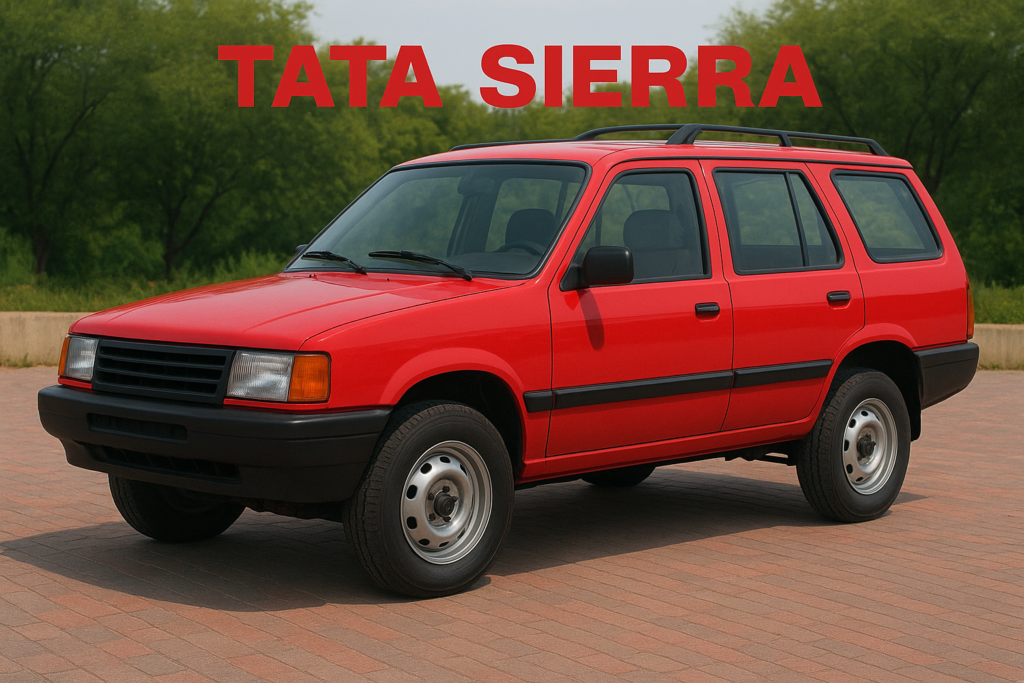
The Sierra was India’s first lifestyle SUV, aimed not at commercial users but at urban buyers who wanted something unique, premium, and expressive. Built on the Tata Telcoline (later Tata Safari) platform, the Sierra was a bold experiment—one that challenged conventional ideas of what an Indian SUV could be.
At a time when most vehicles were boxy and purely functional, the Sierra stood out like a concept car brought to life.
Iconic Design That Redefined Indian SUVs
One of the biggest reasons the Tata Sierra became legendary was its distinctive design.
Panoramic Rear Glass – A First in India
The most striking feature of the Sierra was its large fixed rear side glass panels, which extended almost across the entire length of the vehicle. This design gave passengers an open, airy feeling and made the SUV instantly recognizable on the road.
Three-Door Layout
Unlike traditional five-door SUVs, the Sierra featured a three-door configuration—two doors for the front passengers and a large tailgate at the back. This design reinforced its identity as a lifestyle vehicle rather than a family hauler.
Bold Yet Elegant Stance
With flared wheel arches, high ground clearance, and a muscular body, the Sierra looked rugged, yet its smooth curves and glass-heavy design added a touch of sophistication.
Even today, the original Sierra’s design feels unique, proving how far ahead of its time Tata Motors truly was.
Interior Experience: Comfort Meets Innovation
Inside the Tata Sierra, buyers found a level of comfort that was rare for SUVs in India during the early 1990s.
- Spacious cabin with lounge-style rear seating
- Large windows that enhanced visibility and comfort
- Premium upholstery compared to other vehicles of the era
- Air conditioning, which was considered a luxury feature back then
The rear seats could be folded to create a relaxed, almost sofa-like seating arrangement, making long drives more enjoyable. The interior was clearly designed with leisure and comfort in mind, not just utility.
Engine and Performance: Built for Indian Conditions
The Tata Sierra was powered by a 2.0-litre diesel engine, sourced from Peugeot. While it wasn’t the most powerful engine by today’s standards, it was well-suited for Indian roads at the time.
Key Performance Highlights:
- Strong low-end torque
- Reliable diesel efficiency
- Capable of handling rough terrains
- Ladder-frame chassis for durability
The Sierra wasn’t meant to be a speed machine. Instead, it focused on stability, endurance, and the ability to travel comfortably over long distances—qualities that Indian buyers valued.
A Status Symbol of the 1990s
Owning a Tata Sierra in the 1990s was a statement. It was often associated with:
- Business owners
- Senior professionals
- Government officials
- Adventure enthusiasts
The SUV appeared in several Indian films and TV shows, further boosting its aspirational image. At a time when vehicle choices were limited, the Sierra represented success, individuality, and modern thinking.
Why Was the Tata Sierra Discontinued?
Despite its popularity and iconic status, Tata Motors discontinued the Sierra in 2003. Several factors contributed to this decision:
Changing Market Preferences
Indian buyers gradually began preferring five-door SUVs that offered easier rear-seat access and more practicality for families.
Increasing Competition
Newer models like the Tata Safari and global SUVs entering the market shifted consumer interest toward more conventional designs.
High Production Costs
The Sierra’s unique body panels and glass design made it more expensive to manufacture compared to simpler SUVs.
Regulatory and Safety Changes
Evolving safety and emission norms made it difficult to upgrade the aging platform without significant investment.
Although production ended, the Sierra never faded from public memory.
Tata Sierra Concept: A Legendary Comeback Begins
In 2020, Tata Motors surprised the automotive world by unveiling the Tata Sierra Concept at Auto Expo. The announcement instantly created excitement among car enthusiasts and loyal Tata fans.
The concept retained the soul of the original Sierra while embracing modern design and technology.
Design Philosophy of the New Sierra
- Signature wraparound rear glass, inspired by the original
- Sleek LED lighting elements
- Aerodynamic silhouette
- Futuristic yet recognizable identity
The concept proved that Tata Motors respects its heritage while moving confidently toward the future.
Electric Future: Tata Sierra EV
One of the most exciting aspects of the new Sierra is its expected electric powertrain. Tata Motors has been aggressively expanding its EV portfolio, and the Sierra is likely to play a major role in this strategy.
Expected Benefits of the Electric Version:
- Zero tailpipe emissions
- Quiet and smooth driving experience
- Instant torque for city and highway use
- Lower running costs compared to diesel vehicles
An electric Sierra aligns perfectly with modern sustainability goals while keeping the vehicle relevant for the next generation.
Expected Features in the New Tata Sierra
While Tata Motors has not officially revealed final specifications, industry expectations suggest the following features:
- Large touchscreen infotainment system
- Fully digital instrument cluster
- Advanced driver assistance systems (ADAS)
- Panoramic sunroof
- Connected car technology
- Premium interior materials
- Multiple drive modes
These features would position the Sierra as a premium lifestyle SUV, competing with both electric and ICE rivals.
Positioning in the Indian Market
The revived Tata Sierra is expected to sit above the Nexon and alongside or above the Harrier in Tata’s lineup. It is likely to target buyers who want:
- A unique design
- Modern technology
- Brand legacy
- Eco-friendly mobility options
Rather than focusing on mass-market appeal, the Sierra will probably cater to customers who value exclusivity and character.
Emotional Value and Brand Legacy
What truly sets the Tata Sierra apart is its emotional value. For many Indians, it represents:
- Childhood memories
- A symbol of progress in the 1990s
- Pride in an Indian-made vehicle
- Nostalgia combined with innovation
Reviving such a nameplate is not just a business decision—it’s a statement of confidence in Indian automotive design and engineering.

Challenges Ahead for the New Sierra
Despite the excitement, Tata Motors will face certain challenges:
- Pricing the vehicle competitively
- Balancing nostalgia with modern practicality
- Standing out in a crowded SUV market
- Meeting high expectations from loyal fans
However, Tata Motors’ recent success with models like Nexon, Harrier, and Punch shows that the company is capable of delivering products that resonate with Indian buyers.
Final Thoughts: More Than Just a Comeback
The Tata Sierra is not merely returning as a vehicle—it is returning as an idea. An idea that Indian automobiles can be bold, stylish, innovative, and globally competitive.
If Tata Motors manages to deliver a production version that stays true to the original spirit while embracing modern technology, the Sierra could once again become a trendsetter.
For automotive enthusiasts, the Sierra’s return is a reminder that legends never truly disappear—they simply wait for the right time to return.