
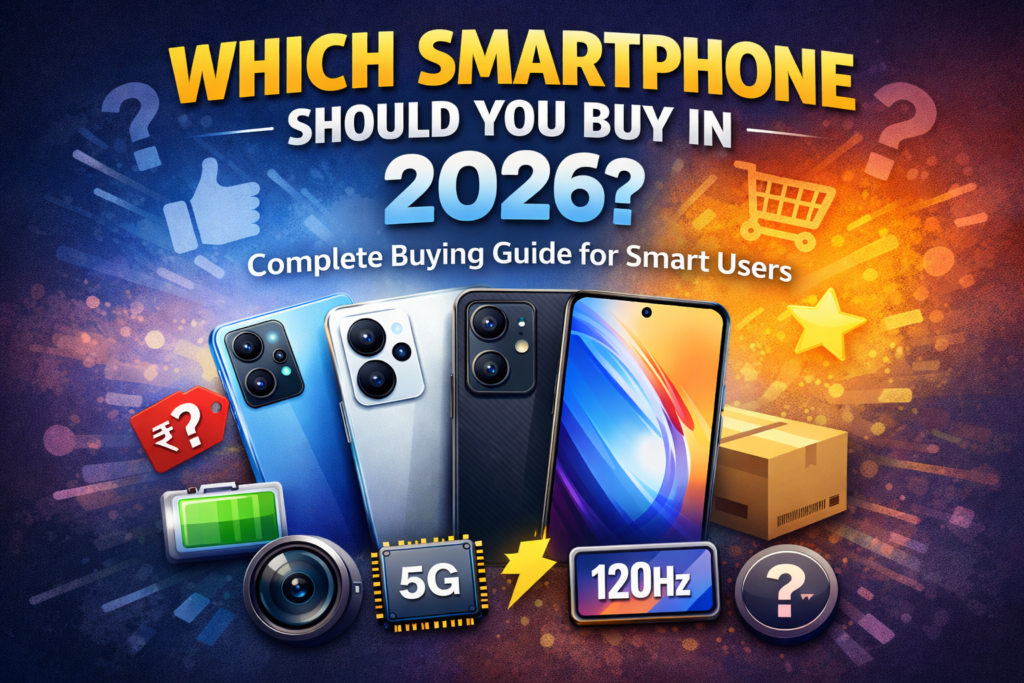

Choosing a new smartphone in 2026 can feel overwhelming. Every brand claims to offer the best performance, the best camera, or the longest battery life. With rapid changes in mobile technology, what was impressive two years ago may now feel outdated. The real challenge is not finding a good phone, but finding the right phone for your personal needs.
This guide is written to help you make a confident and informed decision. Instead of pushing specific brands, it focuses on what truly matters when buying a smartphone in 2026—performance, usability, longevity, and real-world value.
Understanding Your Smartphone Needs Comes First
Before looking at specifications or price tags, you need to understand how you actually use your phone. A device that is perfect for a gamer may be completely unnecessary for someone who only uses social media and video calls.
Ask yourself:
- Do you use your phone mostly for work, entertainment, or gaming?
- How important is camera quality to you?
- Do you upgrade frequently, or do you want a phone that lasts several years?
- Is battery life more important than design?
Once you answer these questions, the buying process becomes much easier.
Performance in 2026: What Really Matters Now
Smartphone performance has reached a point where even mid-range devices are capable of handling everyday tasks smoothly. However, differences still matter when it comes to multitasking, gaming, and long-term usage.
In 2026, modern processors focus more on efficiency than raw power. AI-based optimizations, improved thermal control, and smarter resource management mean phones stay fast for longer periods. For most users, a device with a well-optimized chipset and sufficient memory is more important than chasing the highest benchmark score.
If you use heavy apps, edit videos, or play high-end games, choosing a phone designed for sustained performance will make a noticeable difference.
Display Quality Has Become a Daily Comfort Feature
Your smartphone screen is something you interact with constantly. In 2026, display quality is no longer just about sharpness—it’s about comfort, brightness, and eye protection.
High refresh rates make scrolling smoother, while adaptive brightness helps conserve battery. AMOLED and OLED panels offer better contrast and deeper blacks, making them ideal for media consumption. However, even good LCD panels have improved significantly and can still deliver a pleasant experience.
Choose a screen size that fits your hand comfortably. Bigger is not always better, especially if you prefer one-handed use.
Camera Experience: More Than Just Megapixels
Camera marketing often focuses on numbers, but real photography quality depends on processing, stabilization, and software tuning. In 2026, smartphone cameras rely heavily on computational photography, allowing better results even in difficult lighting conditions.
If photography matters to you, look for:
- Consistent image quality across different lighting
- Reliable video stabilization
- Natural color processing
- Good front camera performance for video calls
For casual users, most modern smartphones already deliver excellent photos. Advanced camera setups mainly benefit enthusiasts and content creators.
Battery Life and Charging: Reliability Over Speed
Fast charging has improved, but battery longevity remains a priority. A phone that charges quickly but drains fast is not practical. In 2026, efficient power management plays a bigger role than battery size alone.
Consider a smartphone that:
- Easily lasts a full day on moderate use
- Supports optimized charging to reduce battery wear
- Offers reliable charging standards rather than gimmicks
Wireless charging and reverse charging are useful extras, but not essential for everyone.
Software Experience and Long-Term Updates
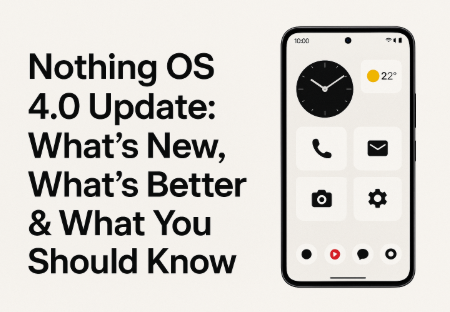
Software quality defines how a phone feels over time. A clean, well-optimized operating system often provides a better experience than flashy features.
In 2026, long-term software support has become more important than ever. Security updates, system stability, and feature updates ensure your phone remains safe and usable for years.
Look for brands known for:
A good software experience can make even mid-range hardware feel premium.
Storage and Memory: Planning for the Future
Apps, photos, and videos take up more space than ever. Choosing enough storage at the time of purchase can save frustration later.
For most users in 2026:
- 8GB of RAM is comfortable for daily use
- 12GB or more is useful for heavy multitasking
- Higher internal storage reduces dependency on cloud services
Expandable storage is helpful, but internal speed matters more for performance.
Design, Build Quality, and Comfort
Smartphones are no longer just tools; they are personal accessories. A device should feel comfortable in your hand and durable enough for everyday use.
Glass and metal designs look premium, but practical features like grip, weight balance, and scratch resistance matter more in real life. Water resistance is also a valuable addition for long-term durability.
Choose a design that suits your lifestyle rather than just following trends.
Connectivity and Future-Ready Features
In 2026, smartphones are more connected than ever. Reliable network performance, stable Bluetooth connections, and accurate GPS are essential for daily tasks.
Features worth considering include:
- Strong signal reception
- Stable wireless connectivity
- Support for modern network standards
- Consistent call quality
These aspects are often overlooked but significantly affect day-to-day satisfaction.
Budget vs Value: Spending Smartly
The most expensive phone is not always the best choice. Many mid-range devices now offer features that were once exclusive to flagship models.
Instead of focusing on price alone, evaluate:
- How long you plan to use the phone
- Whether premium features add real value to your usage
- Overall balance between performance, software, and reliability
Spending wisely means choosing a phone that fits your needs today and remains useful tomorrow.
Who Should Buy a Flagship Phone in 2026?
High-end smartphones are ideal for users who demand the best performance, advanced camera systems, and premium build quality. They also suit professionals who rely heavily on their phones for productivity or content creation.
However, flagship devices are not necessary for everyone. If your usage is moderate, a well-chosen mid-range phone can offer a nearly identical experience at a lower cost.

Who Is Better Off With a Mid-Range Smartphone?
Mid-range smartphones in 2026 are the sweet spot for most users. They handle daily tasks smoothly, take good photos, and offer reliable battery life.
Students, working professionals, and casual users often find these devices more practical and cost-effective. The key is choosing a model with good software support and balanced hardware.
Final Thoughts:
The best smartphone for you in 2026 is not defined by brand hype or spec sheets. It is defined by how well the device fits into your life.
Focus on your personal needs, prioritize long-term usability, and avoid unnecessary features that look impressive but add little real value. A thoughtful choice will serve you well for years, offering reliability, comfort, and satisfaction every day.